If your main goal is sleeping cooler, the biggest differences come from fiber type and weave, not just thread count. Here's how the most common breathable sheet materials compare:
| Material | Breathability | Moisture-wicking | Feel | Durability | Best for |
|---|
| Linen | Excellent | Excellent | Crisp at first, softens over time | Excellent | Very hot sleepers, warm climates |
| Cotton percale | Excellent | Good | Cool, crisp, matte | Excellent | People who like hotel-style sheets |
| Long-staple cotton sateen | Good | Fair | Smooth, silky | Excellent | Those wanting softness without too much heat |
| Bamboo-derived lyocell | Very good | Very good | Silky, drapey | Good | Hot sleepers who prefer a smooth feel |
| Hemp | Very good | Very good | Textured, softens with washing | Excellent | Durability and sustainability |
| Silk | Moderate | Good | Smooth, luxurious | Moderate | Temperature regulation and sensitive skin |
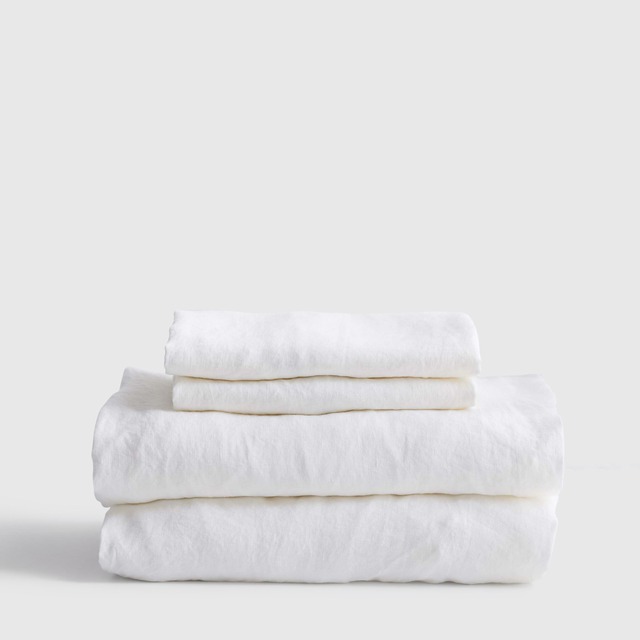
Linen
Pros
- One of the coolest fabrics available.
- Excellent airflow and moisture management.
- Gets softer with every wash.
- Extremely long-lasting.
Cons
- Wrinkles easily.
- Higher upfront cost.
- Texture is more relaxed than silky.
Choose if: You regularly wake up sweaty or your bedroom stays warm.
Cotton percale
Percale is a weave, usually made from cotton.
Pros
- Crisp, cool feel.
- Excellent airflow.
- Durable and easy to care for.
- Often more affordable than linen.
Cons
- Doesn't feel as silky as sateen.
- Can wrinkle.
Choose if: You enjoy the cool, fresh feeling of hotel sheets.
Bamboo-derived lyocell
Look specifically for lyocell (often branded as TENCEL™) rather than generic "bamboo rayon."
Pros
- Soft and smooth.
- Excellent moisture management.
- Gentle against skin.
Cons
- Usually costs more than cotton.
- Can be less durable than high-quality cotton or linen if made cheaply.
Choose if: You want cooling performance with a silky feel.
Hemp
Pros
- Breathable and absorbent.
- Very durable.
- Softens considerably over time.
Cons
- Initially feels more textured.
- Fewer options on the market.
Choose if: You want long-lasting natural fibers with excellent airflow.
Cotton sateen
Pros
- Soft and luxurious.
- Less wrinkly than percale.
Cons
- Traps more warmth because of its weave.
- Not the coolest choice.
Choose if: You sleep only slightly warm but prioritize softness.
Materials I'd avoid for hot sleeping
- Polyester or microfiber
- Polyester blends
- Heavy flannel (great for winter, but intentionally warm)
Other factors that matter
- Weave: Percale is generally cooler than sateen.
- Thread count: Around 200–400 is often ideal for breathable cotton. Extremely high thread counts can reduce airflow.
- Color: Lighter colors absorb a bit less heat in bright rooms, though the effect during sleep is usually modest.
- Mattress protector: A waterproof synthetic protector can trap heat, even if your sheets are breathable.
If I were narrowing it down
- Coolest overall: Linen
- Best value: Cotton percale
- Softest cooling option: Bamboo-derived lyocell
- Best long-term durability: Linen or hemp
Since you're replacing synthetic sheets because you sleep hot, linen, cotton percale, and bamboo-derived lyocell are the three materials I'd compare first. They each offer substantially better breathability than typical polyester or microfiber sheets, with the choice mainly coming down to whether you prefer a crisp (percale), textured (linen), or silky (lyocell) feel.