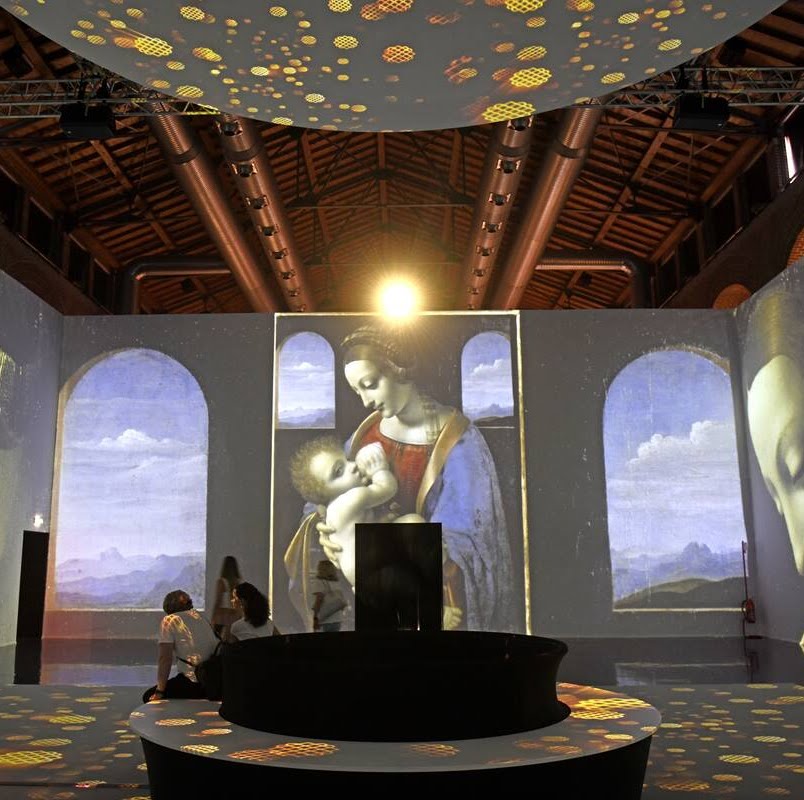
In Renaissance Florence, wealthy patrons—especially the Medici family—used painting and architecture as powerful political tools. Although Florence was officially a republic, influential families competed for prestige and authority. By funding artistic and architectural projects, the Medici could strengthen their public image, demonstrate their wealth, and build support without formally holding absolute political power.
Painting as political propaganda
Patronage allowed the Medici to shape how people viewed them.
- Projecting legitimacy: The Medici commissioned religious paintings that subtly associated their family with sacred figures or biblical stories. By appearing in religious scenes as donors or worshippers, they suggested that their leadership was virtuous and favored by God.
- Displaying wealth and culture: Hiring renowned artists such as Sandro Botticelli and Fra Angelico demonstrated the family's immense resources and sophisticated taste. Supporting the arts also portrayed them as enlightened leaders rather than merely wealthy bankers.
- Promoting humanist ideals: Paintings inspired by classical mythology, such as Botticelli's Primavera and The Birth of Venus, reflected Renaissance humanism. These works associated the Medici with education, intellectual achievement, and the revival of ancient culture.
Architecture as a symbol of power
Buildings made political influence visible throughout the city.
- The Medici Palace: Palazzo Medici Riccardi was designed to appear strong, elegant, and respectable rather than excessively lavish. Its massive stone exterior communicated stability and authority while avoiding the appearance of arrogance that might provoke political rivals.
- Public generosity: The Medici financed churches, monasteries, libraries, and public spaces. These projects improved Florence while reinforcing the idea that the family's wealth benefited the entire community.
- Urban influence: By sponsoring major buildings throughout Florence, the Medici physically reshaped the city. Their architectural presence constantly reminded citizens of the family's leadership and generosity.
Patronage as a political strategy
Art and architecture helped the Medici achieve several political goals:
- Gain public admiration without relying solely on force.
- Build alliances with artists, scholars, clergy, and influential citizens.
- Legitimize their unofficial rule in a republic.
- Leave a lasting legacy that associated the Medici name with Florence's prosperity and cultural greatness.
Overall significance
For the Medici, patronage was more than an expression of personal taste—it was a form of political communication. Paintings celebrated their values, reinforced their prestige, and connected them to religion and classical learning, while architectural projects demonstrated stability, civic responsibility, and enduring influence. Through these artistic investments, the Medici transformed Florence into a center of Renaissance culture while strengthening their own political position.