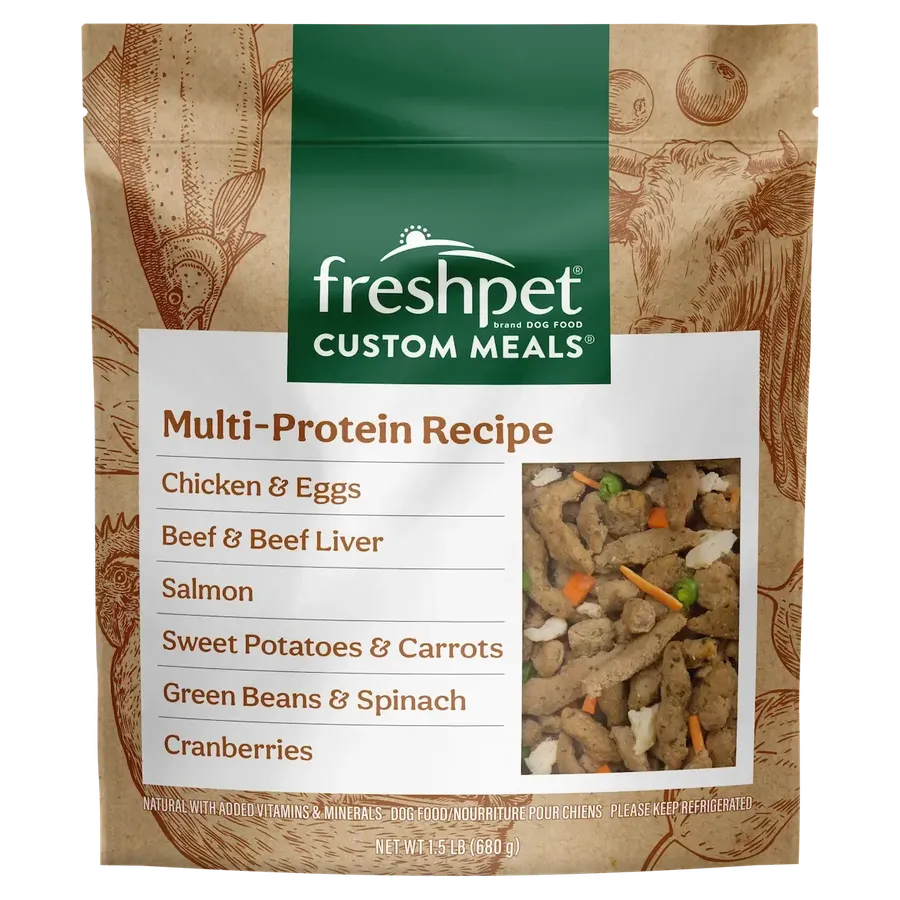
If your dog has a sensitive stomach, the "best" food depends on what's causing the digestive upset. Some dogs have food intolerances, some have chronic gastrointestinal disease, and others simply do better on more easily digestible diets. If your dog is vomiting, has diarrhea, loses weight, or gets sick frequently despite diet changes, it's worth having your veterinarian evaluate them before assuming it's just the food.
In general, here's what to look for in a dog food:
- Highly digestible ingredients. Foods made with easily digested proteins (such as chicken, turkey, or fish) and digestible carbohydrates (like rice or oats) are often gentler on the stomach.
- A limited ingredient list if you suspect a food intolerance. Fewer protein and carbohydrate sources can make it easier to identify ingredients that don't agree with your dog.
- A named animal protein as the first ingredient. For example, "chicken" or "salmon" rather than vague terms like "meat by-products."
- Appropriate fiber. Moderate amounts of soluble and insoluble fiber can support healthy digestion. Some sensitive-stomach diets also include prebiotics.
- Probiotics or prebiotics. These may help maintain a healthy gut microbiome, although the evidence varies by product and individual dog.
- Complete and balanced nutrition. Look for a statement indicating the food meets nutritional standards for your dog's life stage (such as adult maintenance or growth).
- Consistent quality control. Established manufacturers with veterinary nutrition expertise and robust quality testing tend to be a safer choice.
Things that may help avoid digestive upset include:
- Avoid switching foods abruptly. Transition gradually over 7–10 days.
- Feed measured meals instead of allowing binge eating.
- Limit table scraps and rich treats.
- Keep treats to about 10% or less of daily calories.
Some dogs benefit from hydrolyzed protein or prescription gastrointestinal diets, especially if they have inflammatory bowel disease, food allergies, or chronic digestive issues. Those diets should be used under your veterinarian's guidance.
A few questions can help narrow down what type of food might be most appropriate:
- How old is your dog, and what breed or approximate size are they?
- What symptoms do they get (vomiting, diarrhea, gas, soft stools, etc.)?
- Are they currently eating dry, wet, or fresh food, and what brand?
- Have they ever been diagnosed with food allergies, pancreatitis, or another digestive condition?