Getting quotes goes much more smoothly if you've already made the major design decisions. Contractors can then price the same project, making it much easier to compare bids.
Here are the key decisions to make beforehand:
1. Purpose of the deck
Think about how you'll use it most.
- Dining area
- Outdoor living room
- Grilling space
- Hot tub or spa
- Entertaining large groups
- Quiet reading or relaxing
The intended use affects the size, layout, and structural requirements.
2. Size and layout
Consider:
- Overall dimensions
- Shape (rectangle, L-shaped, multi-level)
- How it connects to your house
- Traffic flow between doors, yard, and patio
- Space around grills, furniture, and stairs
A rough sketch with measurements is usually enough.
3. Height
Decide whether you want:
- Ground-level deck
- Raised deck
- Multiple levels
Height influences railings, stairs, structural engineering, and cost.
4. Material
Common options include:
Pressure-treated lumber
- Lowest upfront cost
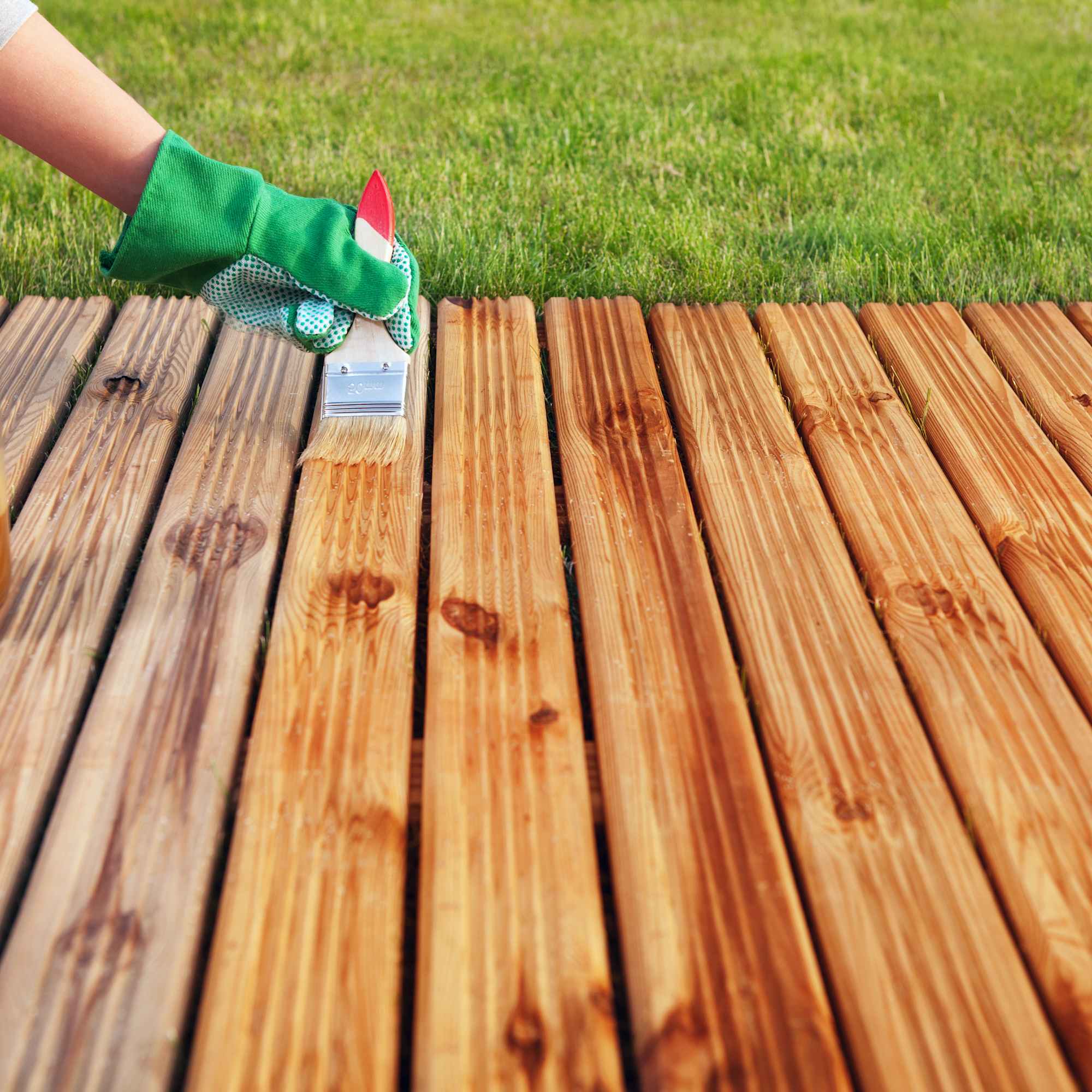
- Requires regular staining/sealing
Cedar or redwood
- Natural appearance
- Moderate maintenance
Composite decking
- Higher initial cost
- Lower maintenance
- Wide range of colors
PVC decking
- Very low maintenance
- Premium price
Also think about the framing material. Most decks use pressure-treated wood framing, though steel framing is becoming more common.
5. Railing style
Options include:
- Wood
- Composite
- Aluminum
- Cable
- Glass panels
- Horizontal metal
Your choice can significantly affect the total price.
6. Stairs and access
Determine:
- Number of stairways
- Stair width
- Landing locations
- Accessibility needs
- Whether stairs should lead to specific yard areas
7. Shade
Consider whether you want:
- No cover
- Pergola
- Roof extension
- Retractable awning
- Shade sails
It's often less expensive to design these into the project from the beginning.
8. Lighting and electrical
Think about adding:
- Stair lights
- Post cap lights
- Under-rail lighting
- Outdoor outlets
- Ceiling fan (if covered)
- Speakers
- TV wiring
- Hot tub power
- Gas line for a grill or fire pit
Running wiring during construction is usually easier than retrofitting later.
9. Built-in features
Possible additions include:
- Benches
- Planters
- Storage
- Outdoor kitchen
- Fire pit
- Privacy screens
- Drink rail
- Built-in seating
10. Budget range
You don't need an exact number, but decide on a target, for example:
- Under $15,000
- $15,000–30,000
- $30,000–50,000
- $50,000+
A realistic budget helps contractors recommend appropriate materials and features.
11. Maintenance expectations
Ask yourself:
- Are you willing to stain every few years?
- Do you want to mostly wash it and forget about it?
- Is color fading acceptable?
Your answers will influence the best material choice.
12. Appearance
Gather inspiration photos showing:
- Deck color
- Board direction
- Railing style
- Lighting
- Stairs
- Skirting
- Overall style
Having 5–10 reference images helps communicate your preferences.
13. Permit and property considerations
Before getting quotes, it helps to know:
- Approximate property lines
- Easements
- HOA requirements (if applicable)
- Any drainage issues
- Existing utilities or septic systems that could affect placement
Most contractors can handle permits, but these site constraints can influence the design.
What to ask every contractor
To compare quotes fairly, ask each contractor the same questions:
- Is the price fixed or an estimate?
- What's included and excluded?
- Who obtains the permit?
- What decking and framing materials are specified?
- How are footings and framing constructed?
- What warranty do you provide on workmanship?
- How long will construction take?
- Who supervises the project each day?
- How are change orders handled?
- What payment schedule do you require?
Bring this to each estimate
A simple project brief can make bids much more consistent:
- Approximate dimensions
- Desired decking material
- Preferred railing style
- Number and location of stairs
- Any roof or pergola
- Electrical or lighting needs
- Built-in features
- Photos of your yard
- Inspiration images
- Target budget
With that information, contractors are much more likely to produce comparable proposals, making it easier to evaluate differences in price, materials, and scope rather than trying to compare very different designs.