Not necessarily, but you shouldn't ignore it either.
If your check engine light is on steadily and the car is running normally, it's often safe to drive for a short time while you arrange to have it checked. The light means the car's computer has detected a problem, but it isn't always an emergency. Common causes include:
- A loose or faulty gas cap.
- A worn oxygen sensor.
- A faulty mass airflow sensor.
- An emissions-related issue.
- A minor ignition or fuel system problem.
However, if the check engine light is flashing, that's much more urgent. A flashing light usually indicates an engine misfire that can damage the catalytic converter. In that case, avoid driving if possible and have the car inspected as soon as you can.
Here are a few things you can do:
- Check that your gas cap is tight. If it was loose, tighten it and drive for a day or two to see if the light goes off.
- Pay attention to any new symptoms, such as rough idling, reduced power, unusual noises, or poor fuel economy.
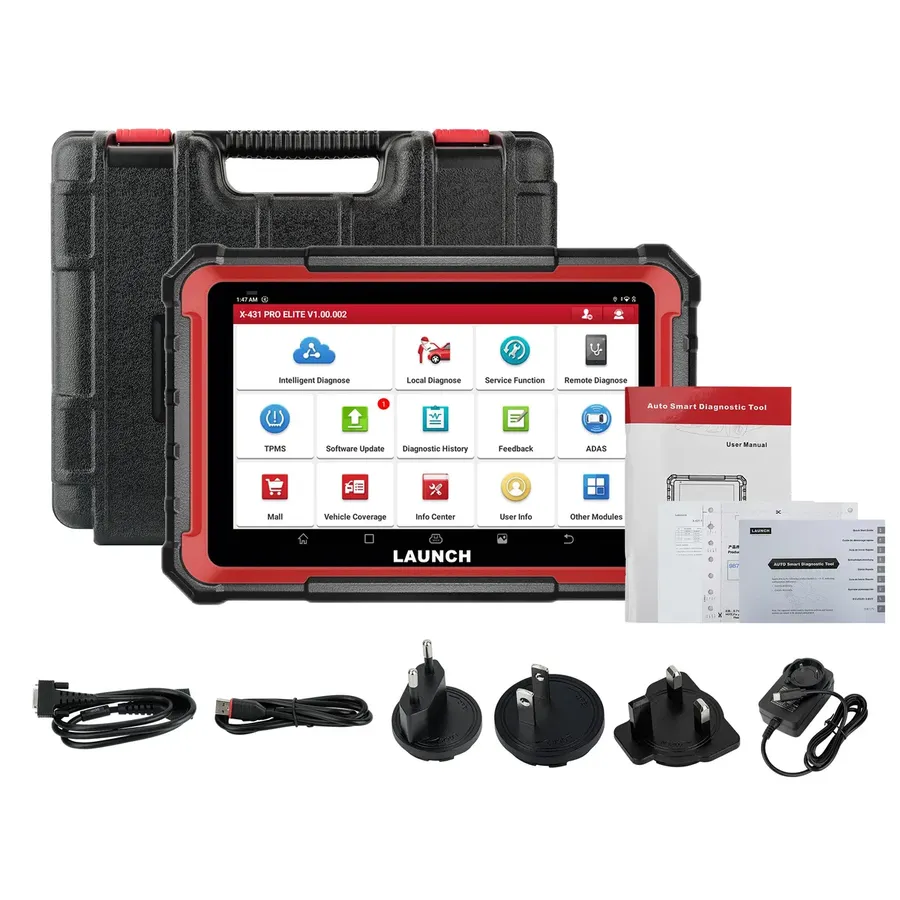
- Have the diagnostic trouble codes read with an OBD-II scanner. Many auto parts stores will read the codes for free.
If you tell me:
- the year, make, and model of your car,
- whether the light is steady or flashing, and
- if you've noticed any other symptoms,
I can help you narrow down what the problem is likely to be.