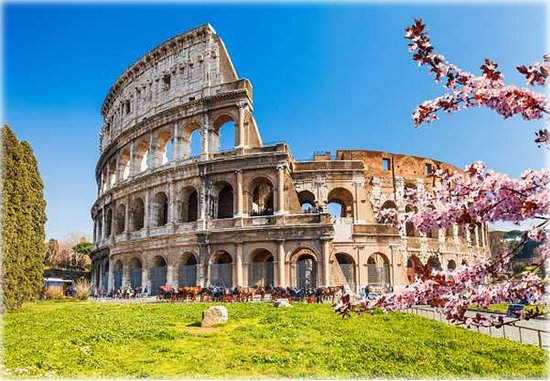
The popular image of gladiators as doomed enslaved prisoners fighting to the death every week is only partly true. Daily life for a typical gladiator was far more structured—and in some ways more professional—than movies usually depict.
Who became a gladiator?
There wasn't just one path.
- Enslaved people made up a large portion, including people captured in war, victims of piracy, or those sold into slavery.
- Criminals convicted of certain offenses could be sentenced to the arena (damnati ad ludum), where they trained as gladiators.
- Free volunteers (auctorati) also signed contracts to become gladiators. This surprised even many Romans because it meant voluntarily accepting the same harsh discipline as enslaved fighters.
Why would a free person volunteer?
- Heavy debt
- Poverty
- The chance for fame
- Prize money
- A stable source of food and housing
- The possibility of becoming a celebrity
Although Romans often looked down on gladiators socially, successful ones could become enormously popular. Graffiti praised favorite fighters, women admired them, and some accumulated considerable wealth.
What was daily life like?
Most gladiators lived in training schools called ludi, run by a manager known as a lanista.
A typical day likely included:
- Intense physical conditioning
- Weapons drills
- Sparring with wooden practice swords
- Medical treatment and rehabilitation
- Meals and rest
Training was highly specialized. A gladiator usually fought as one particular type—for example:
- Murmillo (heavy armor and large shield)
- Thraex (small shield and curved sword)
- Retiarius (net and trident)
Rather than learning every weapon, they became experts in one style.
Their diet
Surprisingly, ancient writers and archaeological evidence suggest gladiators ate a mostly plant-based diet.
Their meals commonly included:
- Barley
- Beans
- Lentils
- Vegetables
Because of this, they were sometimes nicknamed hordearii ("barley men").
Researchers think this diet helped build a layer of body fat that could cushion cuts, making wounds more dramatic for spectators without necessarily being immediately fatal. They also appear to have consumed mineral-rich drinks, possibly made with plant ash, to replenish calcium after training.
Were they treated badly?
It depends on who owned them.
A gladiator represented a significant financial investment. Training one took months or years, so owners generally didn't want them injured unnecessarily.
Many schools had:
- Doctors
- Trainers
- Structured diets
- Regular medical care
One famous physician, Galen, worked with gladiators early in his career and wrote about treating their injuries. His experience helped shape later medical knowledge.
That doesn't mean life was easy:
- Discipline was strict.
- Punishments could be severe.
- Living conditions varied by school.
- They had little personal freedom, especially if enslaved.
Did they really fight to the death?
Not usually.
Modern historians generally believe that most gladiatorial matches did not end with one fighter dying.
Reasons include:
- Gladiators were expensive to train.
- Skilled fighters were valuable attractions.
- Promoters lost money if experienced gladiators died frequently.
Deaths certainly happened, but surviving multiple bouts was common. Some gladiators fought dozens of matches over several years.
Could they retire?
Yes.
Successful gladiators could eventually earn or be awarded a rudis, a wooden sword symbolizing release from gladiatorial service.
Retired gladiators sometimes became:
- Trainers
- Referees
- Bodyguards
- Managers of gladiator schools
Some even continued fighting voluntarily because they enjoyed the fame or income.
What did they think about their lives?
This is the hardest question to answer because we have very few firsthand accounts.
Evidence suggests a wide range of experiences:
- Some undoubtedly hated it and were forced into the arena.
- Some volunteers knowingly accepted the risks in exchange for money or opportunity.
- Some developed pride in their skill and reputation.
- Many formed close bonds with fellow gladiators, whose lives depended on one another during training.
Ancient gravestones sometimes record friendships, achievements, and mourning by family or comrades, reminding us that these were real people rather than simply performers or victims.
In short, the "average" Roman gladiator was not necessarily a prisoner of war awaiting certain death. Many were enslaved or condemned criminals, but a significant minority were free volunteers. Their lives combined elements of military training, athletic competition, harsh discipline, entertainment, and, for the successful few, a level of fame that could rival modern professional athletes.