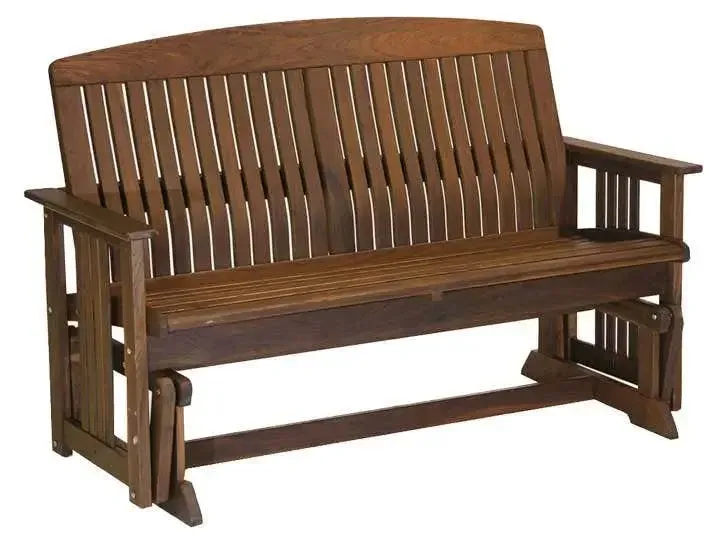
For an uncovered patio, the best choice is usually a combination of weather-resistant frames, UV-stable fabrics, and quick-drying cushions. Here's how the common materials compare:
| Material | Weather resistance | Maintenance | Comfort | Notes |
|---|
| Powder-coated aluminum | Excellent | Very low | Depends on cushions | Won't rust, lightweight, ideal for year-round outdoor use. |
| Teak | Excellent | Low to moderate | Excellent | Naturally rot- and insect-resistant. Can weather to a gray patina if left untreated. |
| HDPE recycled plastic (poly lumber) | Excellent | Very low | Good | Doesn't rot, crack, or need painting. Great for wet or sunny climates. |
| All-weather resin wicker (over aluminum) | Very good | Low | Excellent | Choose high-quality resin; avoid natural wicker outdoors. |
| Stainless steel | Very good | Low | Depends on design | Durable but can get hot in direct sun. Marine-grade is best near the coast. |
| Steel (powder-coated) | Good | Moderate | Good | Strong but can rust if the coating is damaged. |
| Natural wicker or untreated wood | Poor | High | Good | Better suited for covered areas only. |
For cushions, look for:
- Solution-dyed acrylic fabric (such as Sunbrella-type fabrics) for excellent fade and mildew resistance.
- Quick-dry foam or cushions with mesh bottoms for faster drainage after rain.
- Removable, washable covers if possible.
For a small patio seating four, these layouts work well:
- A 4-piece conversation set: loveseat + 2 chairs + compact coffee table.
- Four stackable dining chairs around a small 36–42 inch round table if you also want to eat outside.
- Two compact loveseats facing each other with a narrow table between them.
A few additional tips for maximizing lifespan:
- Use furniture with stainless steel hardware rather than plain steel screws.
- Add protective feet to keep legs from sitting in standing water.
- Cover the furniture during long periods of snow or severe storms if possible, even if it's designed to stay outside.
- Store cushions indoors or in a deck box when they're not being used regularly.
If I were prioritizing durability with minimal upkeep, I'd rank the materials like this:
- Powder-coated aluminum
- HDPE recycled plastic
- Teak
- Resin wicker over an aluminum frame
Those options generally provide the best balance of longevity, appearance, and low maintenance for furniture that stays outdoors most of the year.