If your goals are flexibility, recovery from training, and stress management, the evidence for supplements is mixed. Most improvements in flexibility come from consistent yoga, mobility work, sleep, hydration, and adequate protein. That said, a few supplements have some evidence for supporting recovery or reducing stress.
Here's a breakdown of the options:
| Supplement | Evidence | Potential Benefits | Notes |
|---|
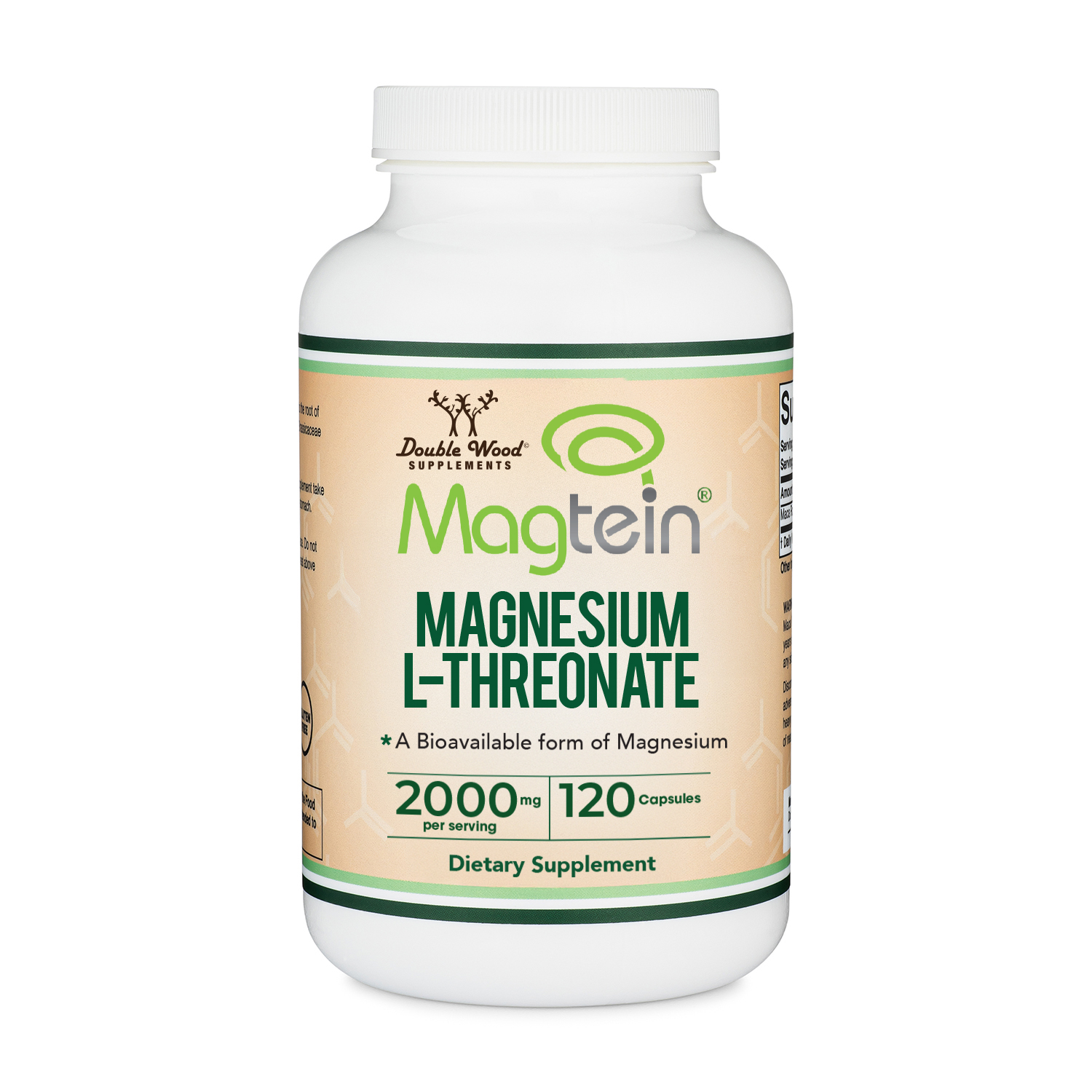
| Magnesium | Moderate | Muscle relaxation, sleep quality, stress support | Most helpful if you're deficient. Forms like glycinate are often better tolerated than oxide. |
| Ashwagandha | Moderate | May reduce perceived stress and lower cortisol in some people | Can interact with medications and isn't appropriate for everyone (e.g. some thyroid conditions, pregnancy). |
| Creatine | Strong (for exercise performance) | Improves recovery from high-intensity exercise and may reduce fatigue | Doesn't directly improve flexibility, but benefits many active people. |
| Omega-3 fatty acids | Moderate | Supports overall health and may help with exercise-related soreness | Particularly useful if you eat little fatty fish. |
| Curcumin | Moderate | May reduce exercise-induced soreness and inflammation | Absorption varies; products often include piperine or specialized formulations. |
| Collagen peptides | Emerging | May support tendons, ligaments, and joints | Often paired with vitamin C about an hour before exercise in research studies. Evidence for flexibility itself is limited. |
| L-theanine | Moderate | Promotes relaxation without causing significant drowsiness in many people | Often used for stress management rather than physical recovery. |
What about flexibility specifically?
There isn't a supplement that reliably makes muscles or connective tissue more flexible. Flexibility is influenced much more by:
- Regular stretching or yoga practice
- Progressive mobility training
- Warming up before deeper stretches
- Adequate hydration
- Recovery and sleep
A practical combination
If you're otherwise healthy and eating a balanced diet, a reasonable approach might be:
- Magnesium (glycinate) in the evening if your intake is low or you have trouble relaxing or sleeping.
- Omega-3s if you don't regularly eat fatty fish.
- Ashwagandha only if stress is a major concern and after checking that it's appropriate for your health situation.
- Collagen peptides if you're interested in supporting joint and tendon health over the long term, while keeping expectations realistic.
Before adding supplements
- Prioritize getting enough protein (roughly 1.2–1.6 g/kg/day for many active adults).
- Sleep has a larger impact on recovery than most supplements.
- If you have kidney disease, are pregnant, have thyroid disease, or take medications (especially blood thinners, diabetes medications, or sedatives), check with your healthcare provider or pharmacist before starting new supplements.
If you tell me:
- your age,
- whether your yoga is gentle, vinyasa, hot yoga, or power yoga,
- whether you're vegetarian/vegan,
- and whether your main issue is muscle tightness, joint stiffness, or mental stress,
I can narrow the recommendations further.