A good smart home starts with a solid foundation rather than buying lots of gadgets. The biggest improvements usually come from choosing a reliable ecosystem and adding devices that solve everyday problems.
I'd prioritize them in this order:
-
A smart home platform (the foundation)
Pick one ecosystem and try to stay within it:
- Apple Home (best if you use iPhones)
- Google Home (good for Android users)
- Amazon Alexa (excellent for voice control)
-
A smart speaker or smart display
This becomes the control center for your apartment. It lets you:
- Control devices by voice
- Set routines ("Good night" turns everything off)
- Play music
- Set timers and reminders
-
Smart bulbs or smart switches
Lighting gives the biggest "wow" factor for relatively little money.
- Schedule lights
- Dim them
- Change colors (optional)
- Turn them off remotely
If you're renting, smart bulbs are usually easier than replacing switches.
-
Smart plugs
These are inexpensive and surprisingly useful. They can automate:
- Lamps
- Coffee makers (if they have a physical on/off switch)
- Fans
- Holiday decorations
- Air purifiers
-
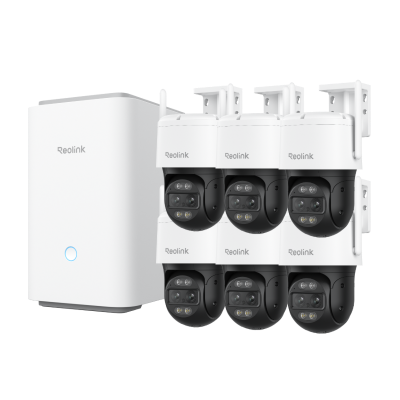
A video doorbell or security camera (if permitted)
Great for:
- Package notifications
- Checking your apartment while away
- General peace of mind
-
A smart thermostat (only if you control your HVAC)
This can save energy, but many apartment buildings don't allow replacing thermostats or use central HVAC.
-
Door/window sensors
Useful for:
- Security
- Reminders if a window is left open
- Triggering automations
If you have a $200 budget
I'd spend it roughly like this:
- Smart speaker: ~$50–100
- Two smart bulbs: ~$20–40
- Two smart plugs: ~$20–40
- One motion sensor or door sensor: ~$25–40
That's enough to create useful automations like:
- Lights turn on when you arrive home.
- Bedroom lamp turns off automatically at bedtime.
- Coffee station powers on every weekday morning.
- Lights turn off automatically when everyone leaves.
One thing I'd recommend buying from the start
Look for devices that support Matter, the newer smart home standard that improves compatibility across ecosystems. If a device also supports Thread, that's an added benefit because it tends to provide faster, more reliable communication for many smart home devices.
If you're renting an apartment, I'd focus on smart bulbs, plugs, sensors, and a speaker first. They require little or no permanent installation and can easily move with you to your next place.