Congratulations! The first night is exciting, but it's also a big adjustment for your puppy. At 8 weeks old, they've just left their littermates, so it's normal if they're unsure, whiny, or restless.
Here's what will help the first night go as smoothly as possible.
Before you bring your puppy home
Have these essentials ready:
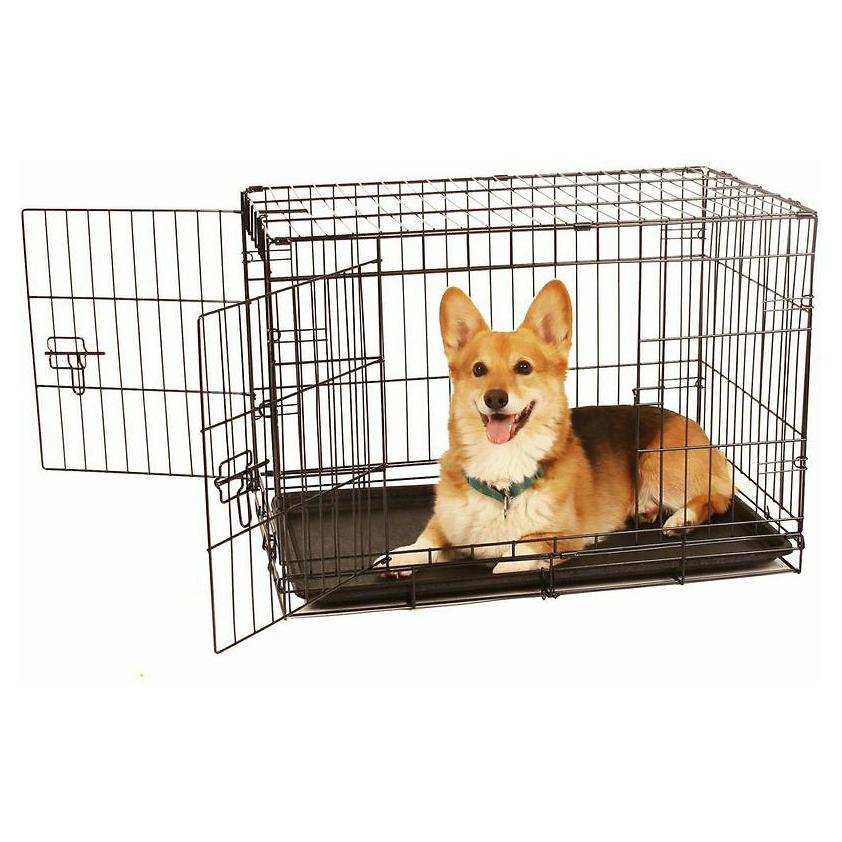
- A crate that's just large enough for your puppy to stand up, turn around, and lie down.
- Comfortable bedding (plus an extra blanket in case of accidents).
- Food from the breeder or shelter to avoid an abrupt diet change.
- Water bowl.
- A few safe chew toys.
- Collar, leash, ID tag, and poop bags.
- Enzyme cleaner for inevitable accidents.
Keep the evening calm
Avoid introducing lots of visitors or exciting activities. Your puppy has already had a huge day.
Instead:
- Give them time to explore one or two puppy-proofed rooms.
- Take them outside frequently to the potty area.
- Offer dinner if it's their normal mealtime.
- Play gently, but don't overstimulate them right before bed.
Potty one last time
Right before bedtime:
- Take them outside.
- Wait patiently for them to go.
- Praise them warmly and reward them immediately if they potty outside.
Sleeping arrangements
Most trainers recommend having the crate in your bedroom for the first several nights. This:
- Helps your puppy feel less alone.
- Lets you hear when they need a potty break.
- Makes it easier to reassure them without creating a habit of sleeping in your bed (if that's your preference).
If they cry:
- Wait a moment to see if they settle.
- If the crying continues, take them outside quietly for a potty break.
- Keep the trip boring—no playtime.
- Return them to the crate afterward.
Some whining is completely normal. Your puppy has gone from sleeping with littermates to sleeping alone.
Expect nighttime potty breaks
An 8-week-old puppy usually cannot hold their bladder all night.
A reasonable expectation is:
- One or two potty trips overnight.
- Go straight outside, let them potty, praise quietly, and return to bed.
Don't worry if they don't eat much
Many puppies eat less during their first day because of the stress of moving. As long as they're drinking water, acting reasonably alert, and eating normally by the next day or so, that's often not a concern.
Keep the schedule simple
Puppies thrive on routine:
- Potty after waking.
- Potty after eating.
- Potty after playing.
- Potty before bed.
- Frequent naps (18–20 hours of sleep per day is normal).
The first morning
Start establishing habits right away:
- Go outside immediately.
- Breakfast.
- Another potty trip.
- Short play session.
- Nap.
Things to avoid
- Punishing accidents indoors.
- Giving free access to the entire house.
- Long walks (their joints are still developing).
- Dog parks or contact with unfamiliar dogs until your veterinarian advises it's safe based on their vaccination status.
- Introducing too many new experiences all at once.
A first-night checklist
- ✅ Crate in your bedroom
- ✅ Last potty trip before bed
- ✅ Water available until bedtime (follow your veterinarian's guidance if needed)
- ✅ Set an alarm for an overnight potty break if you're a deep sleeper
- ✅ Enzyme cleaner ready
- ✅ Patience—your puppy may cry, and that's normal
One final tip: take lots of photos. They change incredibly quickly over the next few weeks, and tomorrow marks the beginning of a very memorable stage. Enjoy your new Golden Retriever! 🐶