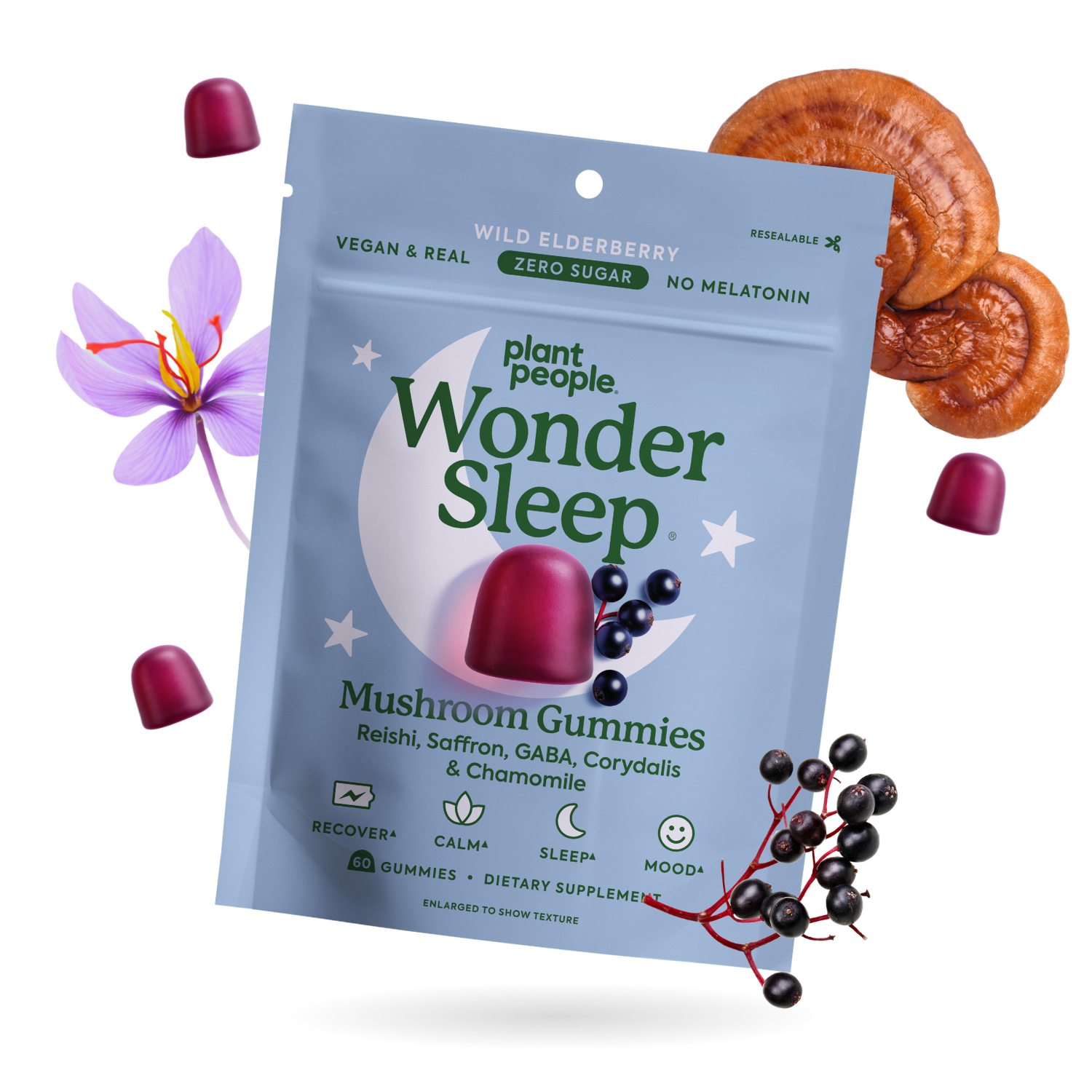
Melatonin is generally considered safe for short-term use in healthy adults, but whether it's a good idea to take it every day depends on why you're using it and your individual circumstances.
Here's what the evidence suggests:
When daily melatonin may be appropriate
Daily melatonin can be helpful for certain situations, including:
- Delayed sleep phase (naturally falling asleep very late)
- Jet lag
- Shift work (though results are mixed)
- Some sleep disorders when recommended by a healthcare professional
For people with chronic insomnia, melatonin may provide modest benefit, but it isn't a cure for underlying sleep problems.
Safety
Studies generally find that melatonin has a good safety profile, even with use over months. Common side effects include:
- Daytime drowsiness
- Headache
- Dizziness
- Vivid dreams
Most people tolerate low doses well.
However, there are still uncertainties:
- There is less research on years of continuous use.
- Supplement quality can vary significantly because melatonin products aren't regulated as strictly as prescription medications in many countries.
- The actual amount of melatonin in a supplement may differ from what's listed on the label.
Dose matters
Many over-the-counter products contain 3–10 mg, but research suggests that 0.3–1 mg is often enough for many adults. Higher doses don't necessarily work better and may increase side effects.
Timing is also important:
- For difficulty falling asleep, melatonin is usually taken 1–2 hours before your desired bedtime, though the ideal timing depends on the reason you're taking it.
Who should be cautious?
Talk with a healthcare professional before using melatonin regularly if you:
- Are pregnant or breastfeeding
- Have an autoimmune disorder
- Have epilepsy
- Take blood thinners, medications for diabetes or high blood pressure, or other medicines that could interact with melatonin
- Have ongoing insomnia lasting more than a few weeks
Don't overlook sleep habits
If you're relying on melatonin every night, it's worth evaluating factors that often have a bigger impact on sleep:
- Keeping a consistent sleep schedule
- Limiting bright light and screens before bed
- Avoiding caffeine late in the day
- Keeping the bedroom cool, dark, and quiet
- Getting regular daytime exercise and morning light exposure
For persistent insomnia, cognitive behavioral therapy for insomnia (CBT-I) is considered the most effective long-term treatment and often outperforms medication or supplements.
If you tell me:
- your age,
- how long you've been taking melatonin,
- the dose,
- and what sleep problem you're trying to solve (trouble falling asleep, staying asleep, waking too early, etc.),
I can give more tailored guidance.