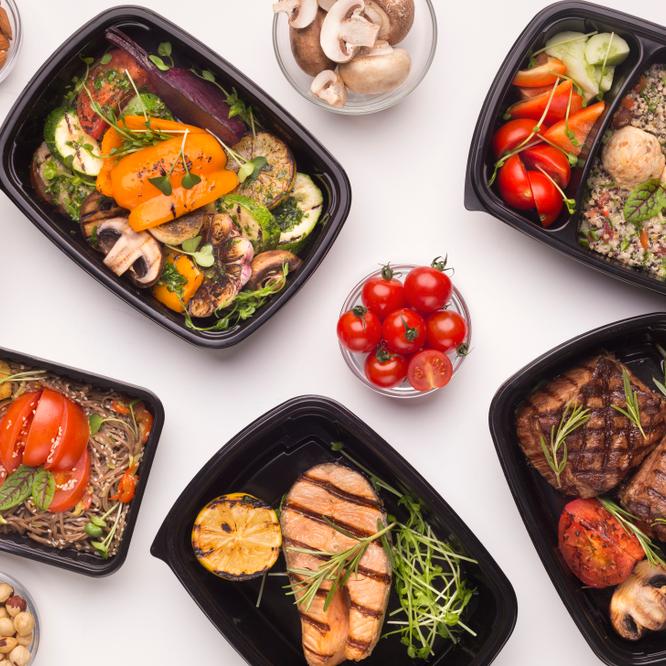
Eating dairy-free gets much easier when you reduce the number of decisions you have to make on busy evenings. The goal isn't to cook everything from scratch—it's to keep a few dairy-free building blocks on hand that can become meals in 10–20 minutes.
Here are some practical strategies:
- Cook once, eat multiple times. Make a batch of rice, quinoa, roasted vegetables, or shredded chicken at the beginning of the week. These can be mixed and matched into different meals.
- Keep your freezer stocked. Frozen vegetables, cooked grains, meatballs (check labels), grilled chicken strips, shrimp, edamame, and beans are quick additions to meals.
- Choose naturally dairy-free convenience foods. Examples include:
- Canned beans and lentils
- Tuna or salmon packets
- Frozen vegetables
- Microwaveable rice
- Pasta and tomato-based sauces (check labels)
- Corn tortillas
- Hummus
- Salsa
- Have dairy-free "finishing" ingredients. Olive oil, avocado, tahini, nutritional yeast, dairy-free pesto, and lemon juice can add richness without cheese or butter.
- Read labels for hidden milk ingredients. Look for terms like milk, whey, casein, caseinate, butter, cream, lactose, and milk solids. Many packaged foods that don't seem dairy-based—such as breads, crackers, instant potatoes, and seasoning mixes—can contain these.
Some easy meal formulas include:
| Base | Protein | Vegetables | Flavor |
|---|
| Rice | Rotisserie chicken (if dairy-free) | Frozen broccoli | Teriyaki sauce |
| Pasta | Chickpeas | Spinach | Marinara + nutritional yeast |
| Tortillas | Black beans | Bell peppers | Salsa + avocado |
| Salad greens | Canned salmon | Cucumber & tomatoes | Olive oil + lemon |
A few 15-minute dinner ideas:
- Stir-fry frozen vegetables with tofu or chicken over microwave rice.
- Bean and sweet potato tacos with avocado and salsa.
- Pasta with marinara, spinach, white beans, and Italian herbs.
- Baked potatoes topped with chili and green onions.
- Grain bowls with leftover protein, roasted vegetables, and tahini dressing.
If you're replacing dairy rather than simply avoiding it, it can help to keep one or two dairy-free substitutes you genuinely enjoy instead of buying every alternative. For example:
- Unsweetened soy or oat milk for cooking and cereal.
- A dairy-free yogurt for breakfasts.
- A dairy-free butter for toast and cooking.
- A shredded dairy-free cheese only if you find one you like for pizza or tacos.
Finally, consider keeping a short "emergency meal" list for nights when you're exhausted, such as:
- Microwave rice + canned beans + salsa + avocado.
- Frozen vegetables + rotisserie chicken + bottled sauce.
- Pasta + marinara + frozen peas.
- Soup + dairy-free bread + fruit.
- Hummus, vegetables, crackers (dairy-free), and hard-boiled eggs.
Having 5–10 reliable dairy-free meals you can repeat is often more sustainable than constantly searching for new recipes, especially on busy weeknights.