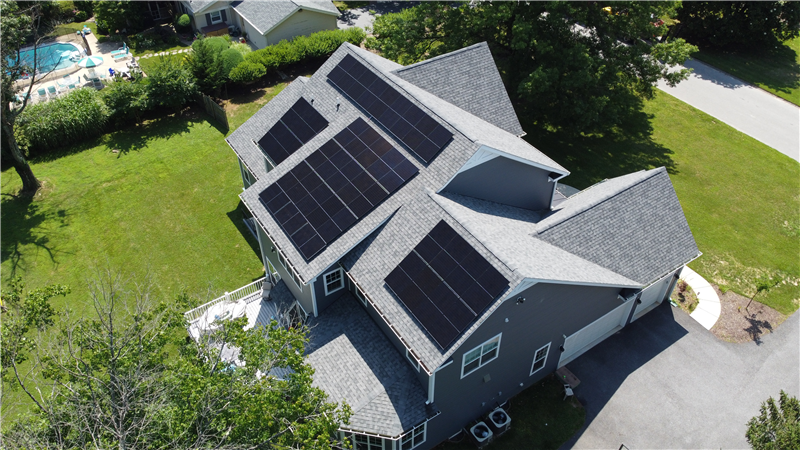
To maximize available incentives, treat the solar installation and EV charging project as separate tax items, coordinate the installation timing, and carefully allocate costs between residential and business use.
Here's the framework I typically recommend:
| Opportunity | Key strategy | Notes |
|---|
| Residential solar | Claim the Residential Clean Energy Credit (if still available for the installation date) | Eligible costs generally include panels, inverters, racking, wiring, labor, permitting, and qualifying battery storage. Excess credit may be carried forward if permitted. |
| Home EV charger | Determine eligibility for the Alternative Fuel Vehicle Refueling Property Credit | The home charger credit has separate rules, including location eligibility (certain low-income or non-urban census tracts) and installation deadlines under current law. It generally covers 30% of qualified costs up to $1,000 per charging port. |
| Utility incentives | Apply for utility rebates first | Rebates can reduce out-of-pocket cost, but some rebates reduce the federal credit basis while others do not. Documentation matters. |
| State incentives | Stack where allowed | Many states and utilities offer separate rebates or performance incentives that can often be combined with federal benefits, subject to program rules. |
For clients who also own a business, there may be additional planning opportunities:
- If the charger is installed at a business location (office, warehouse, retail, fleet yard), the business may qualify for the business version of the Alternative Fuel Vehicle Refueling Property Credit. The credit is generally 6% of eligible costs, or up to 30% if prevailing wage and apprenticeship requirements are met, subject to applicable limits.
- If the home has a qualified home office or other business use, be careful allocating expenses. The residential clean energy credit has special rules when business use exceeds certain thresholds, and improper allocation can reduce the residential credit.
- Businesses should also evaluate depreciation (including bonus depreciation where available) for qualifying business assets in addition to tax credits, since depreciation can substantially improve after-tax economics.
A few planning tips can make a meaningful difference:
- Keep separate invoices for the solar system, battery, EV charger, panel upgrades, and other electrical work.
- Ensure invoices clearly identify labor, permitting, electrical upgrades, and equipment.
- Coordinate federal credits with state and utility rebates before filing.
- Verify whether the residence qualifies geographically for the home EV charger credit before assuming eligibility.
If you're advising this client professionally, I can also help build a combined tax model showing:
- federal credits,
- depreciation,
- state incentives,
- utility rebates,
- and the client's estimated after-tax net cost.
If you can tell me:
- the client's state,
- whether the property is a primary residence,
- whether they own a business,
- the estimated solar cost, and
- the estimated EV charger cost,
I can map out the maximum available incentives and identify any planning opportunities specific to their situation.