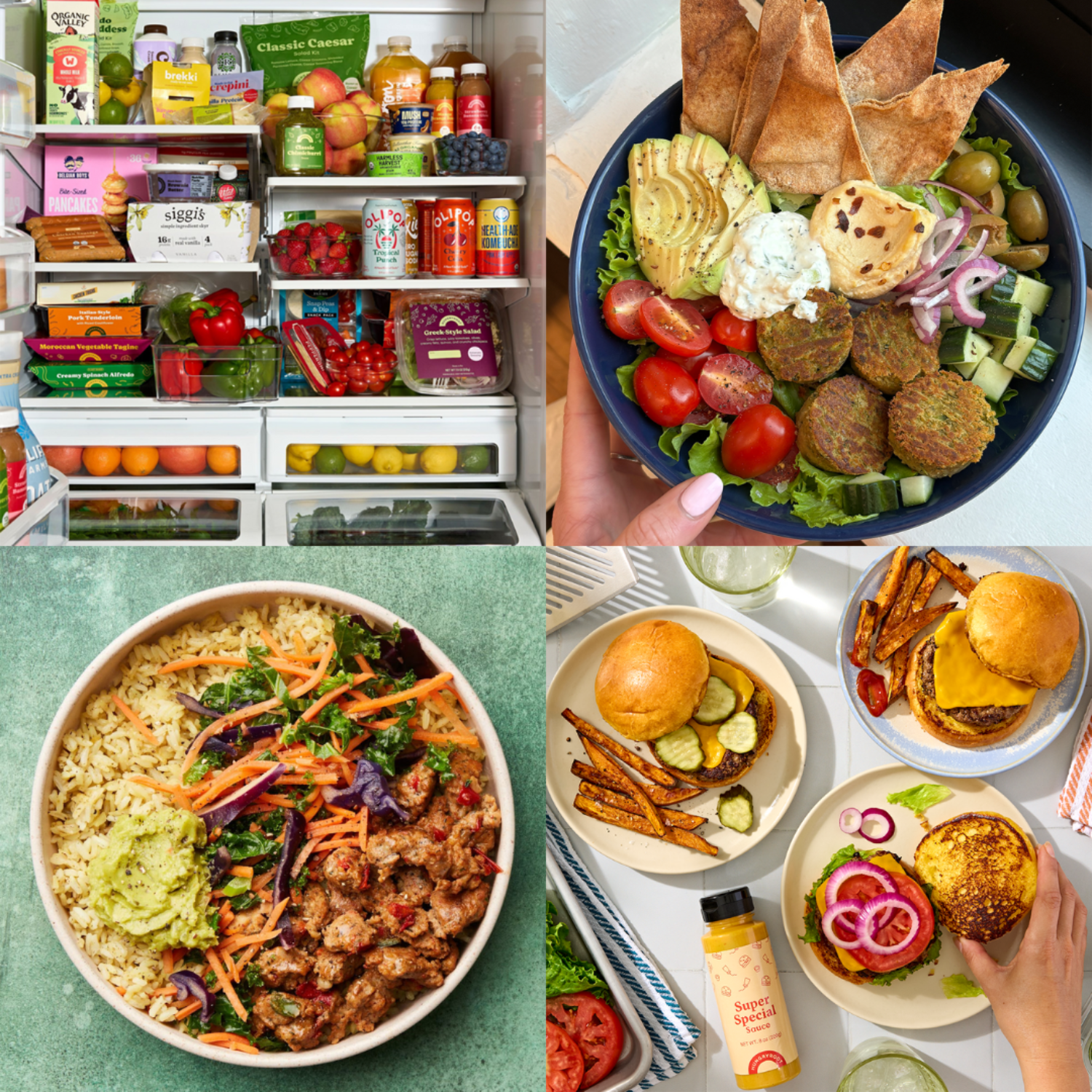
Meal prepping doesn't have to mean cooking an entire week's worth of elaborate meals. The goal is simply to make eating during the week easier, less stressful, and more consistent.
Here are the basics to get started:
Pick a meal prep style
Different approaches work for different people.
- Full meals: Cook complete lunches or dinners and portion them into containers.
- Ingredients only: Prep proteins, grains, and vegetables separately so you can mix and match throughout the week.
- Ready-to-cook prep: Wash, chop, and marinate ingredients so cooking is faster on busy days.
- Breakfast and snacks: Prep overnight oats, yogurt parfaits, boiled eggs, fruit, or cut vegetables.
Start small
Rather than prepping every meal for seven days, try:
- 2–3 lunches
- 2–3 dinners
- A few grab-and-go snacks
This helps you avoid food fatigue and reduces waste.
Build balanced meals
A simple formula is:
- Protein: chicken, tofu, beans, fish, eggs
- Carbohydrate: rice, potatoes, quinoa, pasta
- Vegetables: fresh, roasted, steamed, or raw
- Healthy fat: avocado, nuts, olive oil, seeds
For example:
- Grilled chicken + brown rice + roasted broccoli
- Chili with beans and vegetables
- Stir-fried tofu + vegetables + noodles
Plan before you shop
Before grocery shopping:
- Decide how many meals you'll prep.
- Check what you already have.
- Make a shopping list.
- Choose recipes that use overlapping ingredients to save money and reduce waste.
Prep efficiently
A typical prep session might look like:
- Start grains first.
- Roast vegetables while they cook.
- Cook your protein.
- Chop fresh vegetables or fruit.
- Portion everything into containers.
Doing multiple tasks at once saves a lot of time.
Store food safely
- Refrigerate cooked food within about 2 hours of cooking.
- Most cooked meals keep well in the refrigerator for 3–4 days.
- Freeze extra portions if you won't eat them within that time.
- Label containers with the date if you're making several batches.
Use the right containers
Containers with separate compartments can help keep foods from getting soggy. Glass containers are durable and often microwave-safe, while plastic containers are lighter and easier to carry.
Keep meals interesting
Avoid eating the exact same meal every day by changing:
- Sauces (salsa, pesto, peanut sauce, vinaigrette)
- Seasonings (Mexican, Mediterranean, Indian, Italian)
- Vegetables
- Protein choices
The same cooked chicken can become tacos one day, a salad the next, and a rice bowl after that.
An easy beginner plan
If you're just starting, try this one-hour prep:
- Cook 2 cups of rice.
- Roast a sheet pan of mixed vegetables.
- Bake or grill 4–5 chicken breasts (or tofu).
- Wash and portion fruit.
- Portion everything into 4–5 containers.
You'll have several lunches or dinners ready with minimal effort.
The biggest mistake beginners make is trying to prep every meal with lots of recipes. Keeping it simple for the first few weeks makes it much easier to turn meal prepping into a lasting habit.