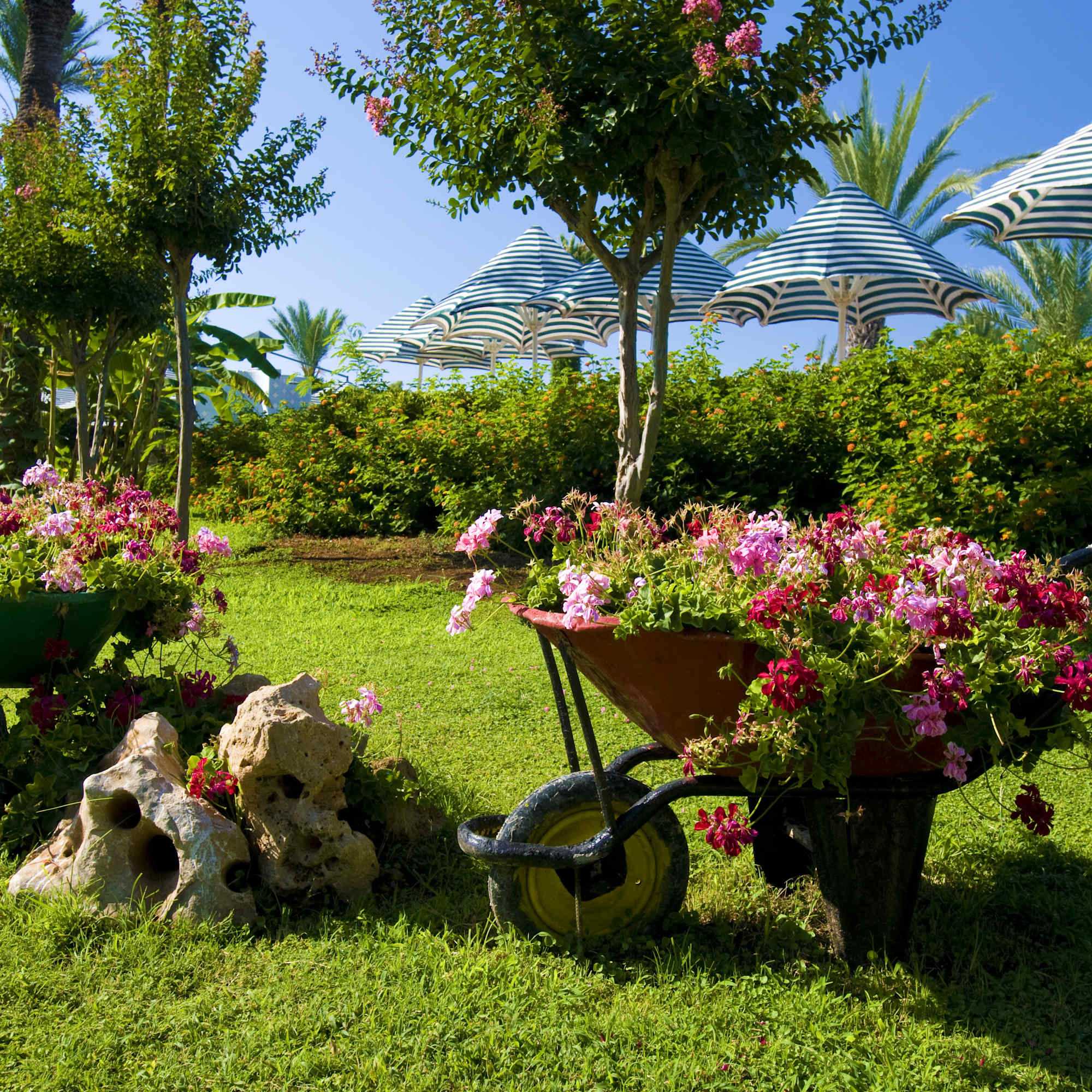
A yard makeover is much easier if you treat it as a series of projects instead of one huge one. The biggest mistake people make is buying plants first instead of creating a plan.
Here's a practical order to tackle it:
-
Figure out what you're working with
- Walk the yard and note where the sun hits (full sun, part shade, full shade).
- Identify low spots where water collects.
- Check your irrigation system, if you have one.
- Decide how much maintenance you're actually willing to do.
-
Decide how you want to use the space
Think about priorities like:
- A nice-looking front yard with curb appeal
- A backyard for entertaining
- Space for kids or dogs
- Vegetable or herb garden
- Low-water landscaping
- Privacy from neighbors
-
Clean everything up
- Pull or kill weeds.
- Remove dead grass.
- Trim overgrown shrubs.
- Edge sidewalks and driveways.
- Haul away debris.
You'll be surprised how much better it looks before you even plant anything.
-
Test your soil
A simple soil test can tell you:
- pH
- Nutrient levels
- Whether you need compost or fertilizer
-
Choose a landscaping style
Some popular options:
- Modern (clean lines, gravel, ornamental grasses)
- Cottage garden (lots of flowers)
- Mediterranean (lavender, olive-like plants, drought tolerant)
- Native plants (great for wildlife and lower maintenance)
- Traditional lawn with landscaped beds
-
Fix irrigation before planting
It's much easier to install or repair sprinklers or drip irrigation before new plants go in.
-
Create planting beds
Define beds with:
- Steel edging
- Brick
- Stone
- Concrete edging
Well-defined beds instantly make a yard look intentional.
-
Plant in layers
A simple formula is:
- Trees for height
- Shrubs for structure
- Perennials for color
- Groundcovers to fill gaps
This gives the landscape year-round interest.
-
Decide what to do with the lawn
Since it's mostly dead anyway, you have options:
- Reseed
- Install new sod
- Replace part of it with mulch and planting beds
- Use drought-tolerant groundcovers
- Add gravel or decorative rock in appropriate areas
-
Finish with mulch
Mulch:
- Makes everything look finished
- Reduces weeds
- Holds moisture
- Improves soil over time (if using organic mulch)
If you're in California
Given the dry summers in much of California, many homeowners are moving toward landscapes that use less water while still looking lush. That often means:
- Native or climate-adapted plants
- Drip irrigation
- Mulch
- Smaller lawn areas
- Shade trees where appropriate
This approach can reduce water use and maintenance while still providing strong curb appeal.
Budget-friendly approach
If you don't want to spend thousands all at once:
- Weekend 1: Remove weeds and dead grass.
- Weekend 2: Repair irrigation.
- Weekend 3: Build or define planting beds.
- Weekend 4: Plant shrubs and one or two trees.
- Weekend 5: Add mulch.
- Later: Replace or renovate the lawn.
I'd be happy to help you design it
If you can upload a few photos of your front and backyard (taken from the corners so I can see the whole space), I can suggest:
- A layout that fits your yard
- Which plants work well in your climate
- Where to put trees, shrubs, and flowers
- Whether to keep any lawn at all
- A rough budget and phased plan
I can also tailor the recommendations if you tell me:
- Your approximate location or USDA hardiness zone
- Whether you have kids or pets
- Your budget (for example, under $1,000, $5,000, or $10,000+)
- Whether you're aiming for low-maintenance, colorful, modern, or another style.