There isn't a single "right age" for a first phone. A more useful question is whether your child is ready for the responsibilities that come with one and whether a phone is the simplest solution to the problem you're trying to solve—in your case, contacting you after school activities.
Some questions that can help you decide:
- What problem are you solving? If it's mainly coordinating pickups and emergencies, a basic phone or a smartwatch with calling may meet your needs without introducing social media and a full app ecosystem.
- How responsible are they with other privileges? Consider whether they generally keep track of belongings, follow agreed-upon rules, and tell you when something goes wrong.
- Can they handle online interactions? Even if you don't allow social media initially, classmates may text, share links, or create group chats. Think about whether your child is likely to come to you if they encounter bullying, inappropriate content, or uncomfortable conversations.
- How independent is their schedule? If they're walking home, taking public transportation, or attending frequent after-school activities, the practical benefits of having a way to reach you increase.
If you decide they're ready, it often helps to introduce the phone gradually rather than making it an all-or-nothing decision.
For example, you might:
- Start with calling and texting only.
- Delay or limit social media until you've had time to teach healthy online habits.
- Keep the phone out of bedrooms overnight and charge it in a common area.
- Agree on screen-time expectations, appropriate apps, and what to do if they receive upsetting messages or see something concerning.
- Make it clear that the goal is communication and safety, not constant monitoring.
You can also make it a trial period. For instance, agree to revisit the arrangement after a month or two and adjust rules based on how things are going. This gives your child a chance to demonstrate responsibility while giving you flexibility to loosen or tighten expectations.
If you're not sure a smartphone is necessary, here are some alternatives:
- A basic flip phone for calls and texts.
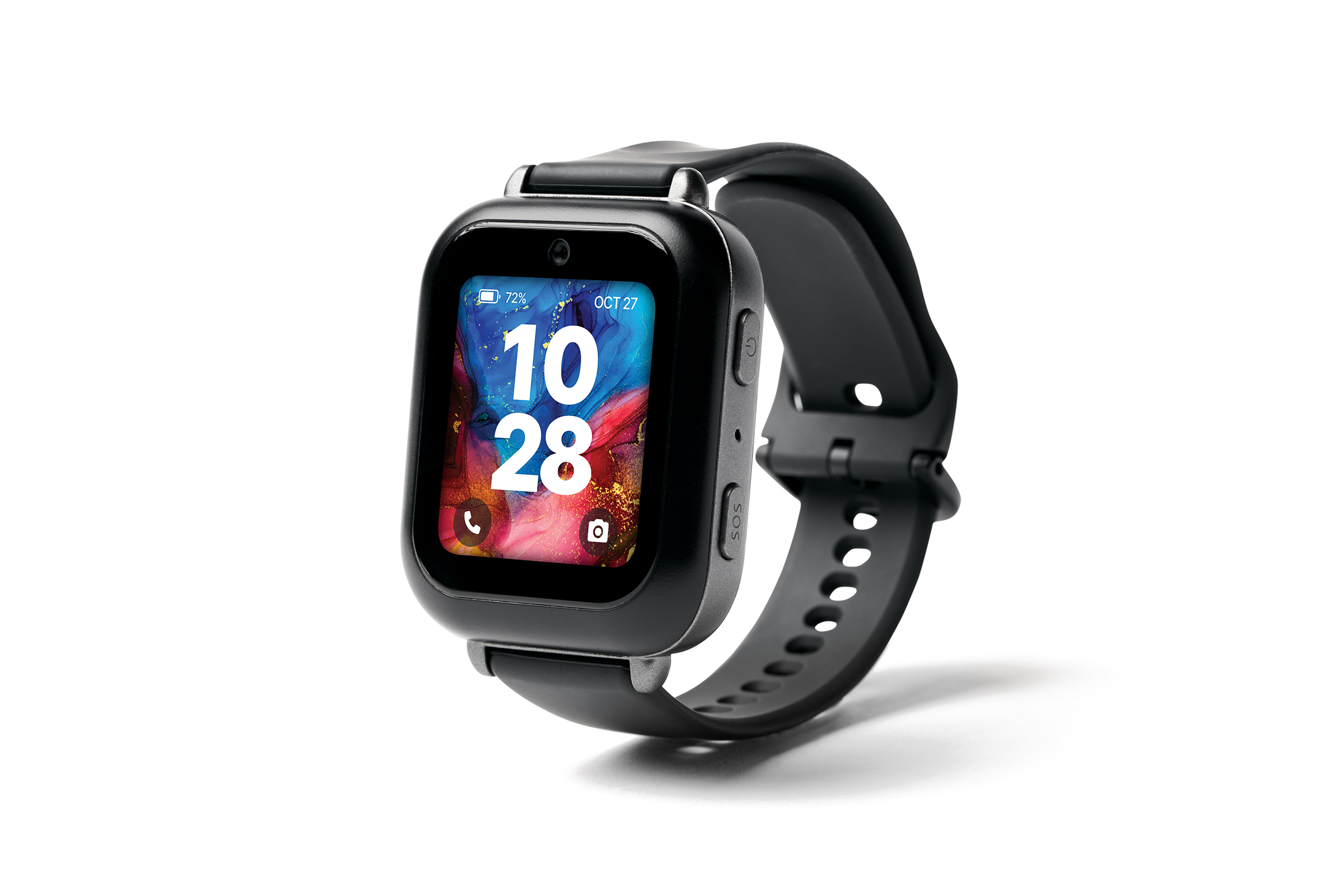
- A smartwatch with calling and messaging features.
- Using school or activity staff phones for occasional pickup coordination, if that's practical.
Ultimately, readiness is less about age than about matching the technology to your child's needs and maturity. Since your main concern is after-school communication, starting with the least complex device that solves that need is often a good balance.