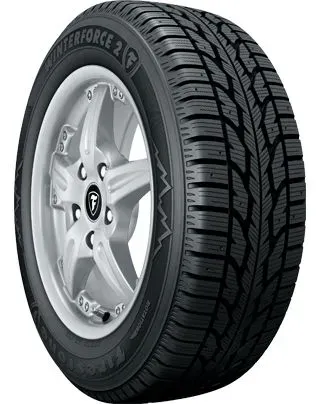
Not necessarily. For most people, good winter tires matter more than all-wheel drive (AWD) when it comes to driving safely on snowy roads.
Here's how to think about it:
- Front-wheel drive (FWD) + quality winter tires is enough for many drivers, even in places with months of snow. Winter tires dramatically improve acceleration, cornering, and—most importantly—braking on snow and ice.
- AWD + all-season tires often gives a false sense of security. AWD helps you get moving, but it doesn't significantly improve braking or steering on slippery surfaces.
- AWD + winter tires is the best combination if you regularly face severe winter conditions.
AWD may be worth the extra cost if:
- You frequently drive on unplowed or snow-covered roads.
- You live in a hilly or mountainous area.
- You need to get to work regardless of weather and can't wait for roads to be cleared.
- You regularly encounter deep snow or icy driveways.
FWD may be the better value if:
- Roads are usually plowed within a few hours of snowfall.
- Most of your driving is on main roads.
- You're willing to invest in a dedicated set of winter tires.
Rear-wheel drive (RWD) is generally the most challenging drivetrain in winter unless it's paired with excellent winter tires and the vehicle has effective traction and stability control.
For a dependable daily driver in a snowy climate, I'd prioritize:
- Reliable winter tires.
- Electronic stability control (standard on modern vehicles).
- AWD if your driving conditions justify it.
- Adequate ground clearance if deep snow is common.
If you tell me:
- roughly where you live (or the type of winters you get),
- your budget, and
- whether you're looking for a sedan, SUV, or truck,
I can suggest the drivetrain that offers the best balance of cost, reliability, and winter capability for your situation.