Yes—for many home cooks, sous vide is genuinely practical. It's not the best tool for every meal, but it excels at a few things that are hard to match with traditional cooking.
Here's what makes it appealing:
- Consistent results. You set the water to the exact temperature you want the food to reach, so it's difficult to overcook. A steak cooked to medium-rare stays medium-rare from edge to edge instead of having a gray outer band.
- Forgiving timing. Many foods can stay in the water bath longer without a dramatic drop in quality. If dinner gets delayed by 30–60 minutes, it's often not a problem.
- Great for meal prep. You can cook several portions, chill them, refrigerate or freeze them, then quickly reheat and finish them later.
- Hands-off cooking. Once everything is sealed and in the water, there's very little active work.
That said, there are tradeoffs:
- It's slower. A steak might take 1–2 hours, chicken breasts 1–2½ hours, and tougher cuts can take 12–48 hours.
- You'll usually need a final sear. Sous vide doesn't create a browned crust, so most meats are briefly finished in a very hot pan, on a grill, or with a torch.
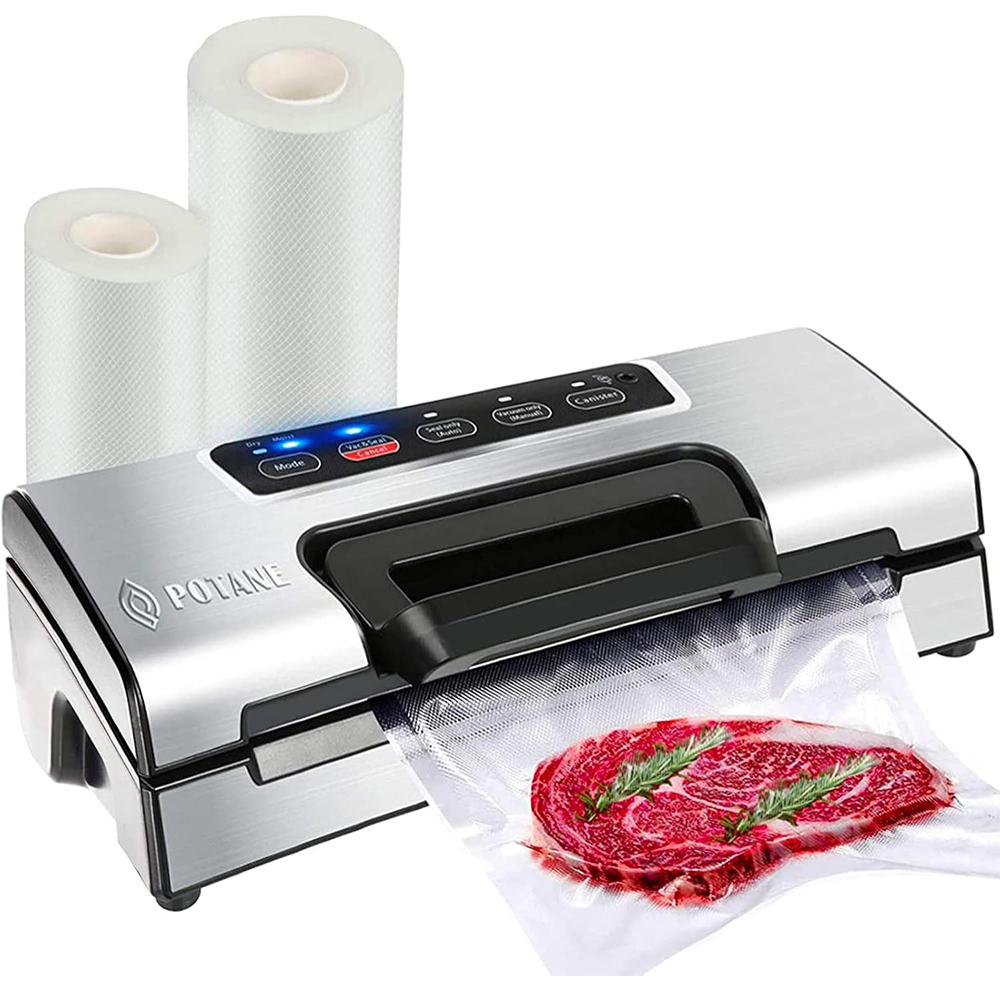
- There's some extra equipment. At minimum you'll want an immersion circulator, a pot or container, and zip-top bags or a vacuum sealer (though a vacuum sealer isn't required).
- It's not ideal for everything. Delicate fish, eggs, chicken breasts, pork chops, and steaks benefit a lot. Pasta, stir-fries, and foods that rely on browning throughout don't.
Who gets the most value?
Sous vide is especially worthwhile if you:
- Cook steaks, pork chops, or chicken breasts regularly.
- Like hosting and want restaurant-quality results with less last-minute stress.
- Meal prep proteins for the week.
- Prefer predictable results over improvising with heat.
It may be less worthwhile if you:
- Mostly cook quick weeknight meals in under 30 minutes.
- Enjoy the spontaneity and technique of stovetop cooking.
- Have limited storage space for another appliance.
Is it expensive?
The barrier to entry is lower than it used to be. A good immersion circulator often costs around $70–150 USD, and you can start with a large pot and sturdy freezer zip-top bags using the water-displacement method instead of buying a vacuum sealer immediately.
A great first recipe
If you want to see why people love sous vide, try:
- Steak: 129–135°F (54–57°C) for 1½–2 hours, then dry thoroughly and sear for 45–60 seconds per side in a very hot pan.
- Chicken breast: 145–150°F (63–66°C) for 1½–2 hours. The result is noticeably juicier than many conventionally cooked chicken breasts while still being pasteurized when held for the appropriate time.
For many people, sous vide ends up becoming the "protein appliance" rather than something they use for every meal. If you cook meat regularly, it can be one of the more useful specialty kitchen tools. If you mainly make quick one-pan dinners, it may spend more time in the cupboard than on the counter.